How to Choose Reliable Concrete Contractors Locally
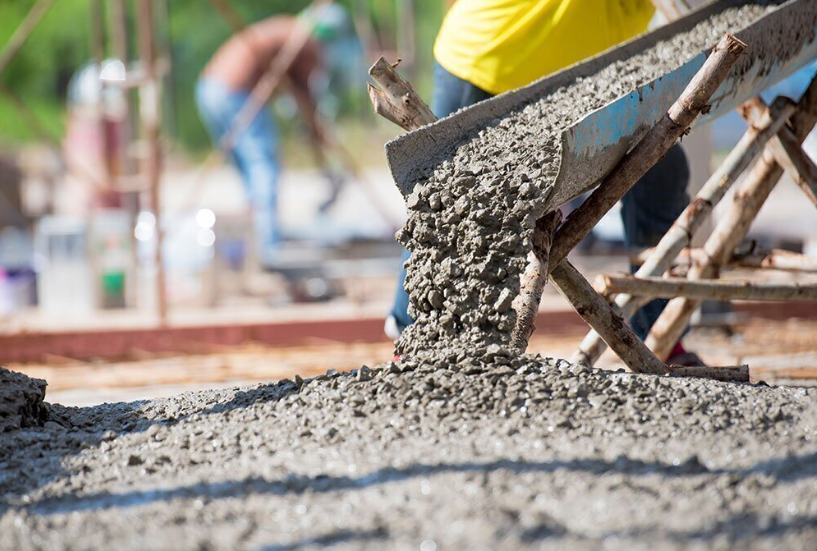
Concrete work is the backbone of many residential, commercial, and industrial construction projects in California. From driveways and foundations to sidewalks and structural slabs, quality concrete determines how long a structure will last and how well it performs over time. In smaller but growing communities like Oroville, CA, hiring the right local contractor is especially important due to soil conditions, climate factors, and local building codes.
Working with experienced local professionals such as Carr Construction ensures projects are completed with proper planning, durable materials, and skilled craftsmanship tailored to Northern California conditions.
Why Local Experience Matters in Concrete Construction
Concrete is not a one-size-fits-all material. Its performance depends heavily on how it is mixed, poured, reinforced, and cured. Local contractors understand regional challenges that out-of-area companies often overlook.
In Oroville and surrounding areas, factors like soil composition, seasonal temperature swings, and moisture levels all affect concrete performance. A contractor with local experience can:
Select appropriate concrete mixes
Account for soil expansion and drainage
Schedule pours around weather conditions
Follow local permitting and inspection requirements
This local knowledge helps prevent cracking, shifting, and premature deterioration.
Common Types of Concrete Projects in Oroville
Concrete is used across a wide range of construction applications. Understanding the scope of your project helps you choose a contractor with the right expertise.
Residential Concrete Work
Homeowners often need concrete services for:
Driveways and walkways
Patios and outdoor living areas
Garage slabs
Foundations and footings
Quality residential concrete improves curb appeal while providing safe, durable surfaces for daily use.
Commercial and Industrial Projects
Commercial properties rely on concrete for strength and longevity. These projects may include:
Parking lots and loading areas
Warehouse floors
Structural slabs
ADA-compliant walkways
Commercial concrete must meet higher load requirements and stricter regulations, making contractor experience critical.
See also: Why Do Businesses Prefer Frozen Asian Food?
Understanding Concrete Materials and Mix Design
Not all concrete is the same. The mix design—how cement, aggregates, water, and additives are combined—directly affects strength and durability.
Key considerations include:
Compressive strength requirements
Exposure to moisture or chemicals
Freeze-thaw resistance
Curing time and finish type
A skilled contractor selects the correct mix based on the project’s purpose and environmental conditions.
Importance of Proper Site Preparation
One of the most overlooked aspects of concrete construction is site preparation. Even the best concrete will fail if the ground beneath it is unstable.
Proper site preparation includes:
Excavation and grading
Compaction of subgrade materials
Installation of base layers
Drainage planning
Poor preparation often leads to cracking, settling, and uneven surfaces. Experienced contractors take the time to prepare the site correctly before any concrete is poured.
Reinforcement and Structural Integrity
Concrete is strong in compression but weaker in tension. Reinforcement helps compensate for this limitation.
Common reinforcement methods include:
Steel rebar
Wire mesh
Fiber reinforcement
Reinforcement placement must follow engineering guidelines to ensure structural integrity. This is especially important for foundations, slabs, and load-bearing surfaces.
Climate Considerations for Northern California Concrete
Oroville’s climate includes hot summers, cooler winters, and seasonal rainfall. These factors affect how concrete should be poured and cured.
Best practices include:
Adjusting mix ratios during hot weather
Protecting fresh concrete from rapid drying
Allowing proper curing time in cooler conditions
Contractors familiar with local weather patterns can schedule and manage pours to achieve optimal results.
Permits, Codes, and Local Compliance
Concrete construction often requires permits and inspections, especially for foundations, driveways, and commercial projects. Local contractors understand Oroville and Butte County requirements, helping avoid delays and compliance issues.
Compliance ensures:
Structural safety
Proper drainage and accessibility
Long-term property value
Hiring a contractor who handles permitting simplifies the entire construction process.
Tips for Evaluating Concrete Contractors
Choosing the right contractor is just as important as choosing the right materials. Here are key factors to consider:
Experience and Portfolio
Ask to see previous projects similar to yours. This helps verify skill level and craftsmanship.
Licensing and Insurance
Ensure the contractor is licensed and carries appropriate insurance to protect against liability.
Clear Communication
Reliable contractors explain timelines, costs, and expectations clearly from the start.
Local Reputation
Contractors with strong local reputations often rely on repeat business and referrals, which reflects consistent quality.
Maintenance Tips for Long-Lasting Concrete
Even well-installed concrete benefits from routine maintenance. Simple steps can significantly extend its lifespan.
Maintenance tips include:
Sealing surfaces to protect against moisture
Cleaning regularly to prevent staining
Repairing small cracks early
Avoiding heavy loads beyond design limits
Preventive maintenance saves money by reducing the need for major repairs.
General Construction Services Beyond Concrete
Many concrete contractors also offer general construction services, providing added convenience for property owners.
These services may include:
Structural framing
Site preparation and grading
Small commercial build-outs
Repairs and renovations
Working with a contractor that offers multiple services streamlines project coordination and communication.
Benefits of Hiring a Local General Contractor
Local general contractors bring added value through:
Familiarity with regional suppliers
Knowledge of local inspectors and codes
Faster response times
Strong community ties
These advantages contribute to smoother project execution and better outcomes.
Cost Factors in Concrete Projects
Concrete project costs vary depending on several factors:
Project size and complexity
Reinforcement requirements
Site accessibility
Finishing and decorative options
A detailed estimate helps homeowners and business owners budget accurately while avoiding unexpected expenses.
Sustainability and Modern Concrete Practices
Modern construction increasingly emphasizes sustainability. Many contractors now use practices that reduce environmental impact, such as:
Efficient material usage
Reduced waste during pours
Durable designs that minimize future repairs
Sustainable concrete solutions support long-term value and environmental responsibility.
Final Thoughts on Choosing the Right Contractor
Concrete is a long-term investment in your property’s safety, functionality, and appearance. Choosing a contractor with local expertise, proper credentials, and a strong understanding of Oroville’s conditions makes a significant difference in project success.
Whether you’re planning a residential driveway, a commercial slab, or a larger construction project, working with trusted local professionals like carrconstruction530.com helps ensure your concrete and construction work is completed with quality, reliability, and lasting value.