What Is the Best Layout for a Small Laundry Room?
Why Layout Matters in a Small Laundry
Designing a small laundry requires thoughtful planning to make sure the space works well for everyday tasks. Limited rooms can make it harder to fit appliances, storage, and benchtops without creating clutter. A good layout improves workflow, keeps essentials organised, and makes even the smallest laundry feel functional and comfortable to use. Understanding the strengths of different layouts helps you choose the one that best suits your home.
Single Wall Layout
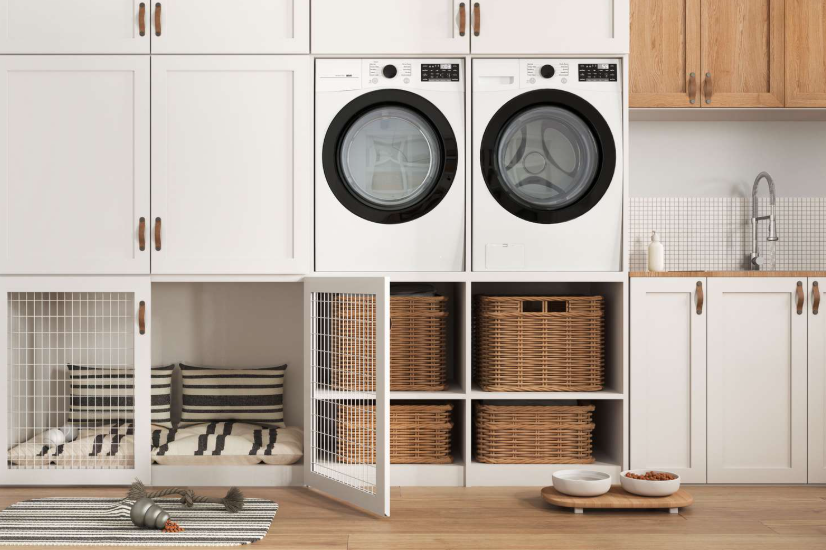
A single wall layout is one of the most practical choices for narrow or compact rooms. All appliances, the sink, and cabinetry are placed along one wall, leaving the rest of the area open for movement. This simple setup reduces installation costs and is easy to maintain. It also works well with overhead cabinets, allowing extra storage without taking up floor space.
L Shaped Layout
The L shaped layout uses two adjoining walls, creating extra bench space and helping you separate work areas. With this design, the washing machine and dryer may sit on one side while the opposite wall is used for storage or a folding station. This layout works well in square or slightly wider laundry rooms and creates a more open, balanced feel.
Galley Layout
A galley layout is ideal for long and narrow laundry rooms. This design places appliances and storage on two opposing walls, forming an efficient corridor style workspace. One side may hold the washer and dryer, while the other includes shelves or a benchtop for sorting and folding. For homeowners wanting a well structured space with maximum functionality, professional laundry renovations can help create a galley layout tailored to the room’s dimensions and storage needs.
European Style Concealed Laundry
A concealed or European style laundry is perfect for apartments and homes with very limited space. The laundry is built into a cupboard or behind sliding doors, often located in a hallway, kitchen, or bathroom. This design keeps the area visually tidy while still being practical. Good ventilation, noise control, and easy access are important considerations to ensure the space remains functional.
Smart Design Ideas for Small Laundries
When working with a compact area, space saving design choices make a big difference. Stackable washer and dryer units free up room for benchtops or cabinetry. Overhead cupboards and tall shelving offer valuable storage without impacting floor space. Pull out hampers, slide out shelves, and fold down ironing boards help keep essentials organised. Light colours and bright lighting can also make the laundry appear larger and more inviting.
Choosing the Right Fixtures and Finishes
Small laundries benefit from fixtures that maximise usability. Compact sinks, slim benchtops, and moisture resistant cabinetry all suit tighter spaces. Durable tiles or splashbacks protect walls while adding style. Good ventilation is essential to manage moisture and prevent mould, especially in enclosed or windowless rooms. Choosing the right finishes helps maintain the longevity of your laundry and keeps it looking clean and fresh.
See also: How to Choose the Right Fence for Your Home
Common Mistakes to Avoid
Oversized appliances can overwhelm a small laundry and limit movement. Insufficient storage often leads to clutter, making the space harder to use. Poor lighting and inadequate ventilation also cause issues over time, including moisture buildup and reduced visibility. Another common mistake is arranging appliances or cabinets in a way that disrupts workflow. Planning the layout carefully helps avoid these problems and ensures the space remains practical.
When to Get Professional Help
A renovation specialist can help you make the most of a small laundry by creating a customised layout that suits your home. They can provide accurate measurements, offer advice on appliance placement, and design cabinetry to maximise every centimetre. Professional assistance is especially valuable in tight or awkward spaces where standard cabinets or appliances may not fit well.
Summing Up
Even the smallest laundry room can become a highly efficient and pleasant space with the right layout. Whether you choose a single wall, L shaped, galley, or concealed design, thoughtful planning can transform your laundry into a functional and organised area. By selecting smart fixtures, quality materials, and a layout that suits your needs, you can enjoy a practical and well designed laundry that makes everyday tasks easier.