What Happens When Phones Die During Critical Situations?
When a phone suddenly shuts off in an urgent moment, the interruption goes far beyond losing access to messages or maps. A dead phone can disrupt communication, delay decisions, limit directions, and create emotional stress when clarity is needed most. People rely on their devices for navigation, verification, coordination, and reassurance. So when battery levels fall to zero at the wrong time, critical actions become harder to complete. These moments often reveal how central our digital tools are. They also highlight the importance of simple habits—having a dependable charger nearby, topping up earlier in the day, or carrying a compact multi-device charger that stays ready for unexpected situations.
How a Dead Phone Disrupts Real-Life Moments
It Interrupts Access to Essential Information
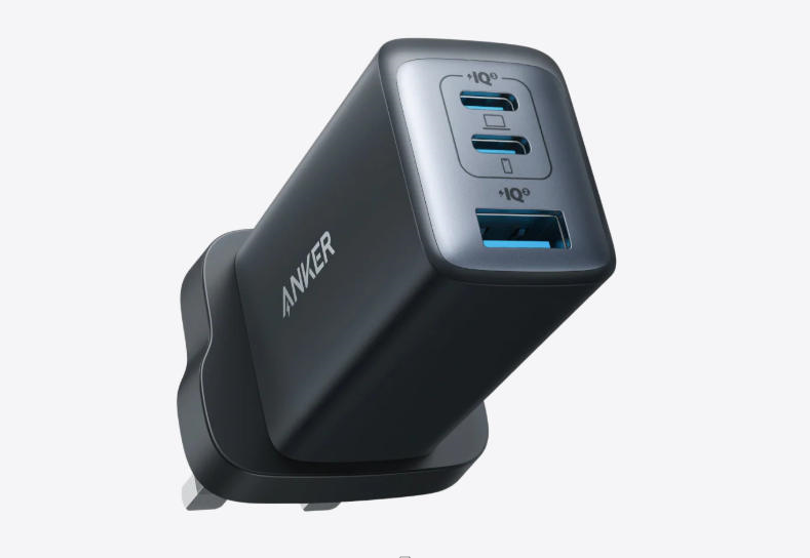
A dead phone cuts off immediate access to details people depend on—addresses, boarding passes, schedules, tickets, and identity confirmations. Without these resources, even simple tasks can become complicated. Someone trying to locate a meeting place or confirm a reservation might need help from others, which slows everything down. During navigation, losing access to maps can cause confusion, especially in unfamiliar areas. Many people prevent these issues by keeping a charger in key locations like a car or work desk. Some prefer using a compact multi-device option such as the Anker 735 Charger, which supports phones, tablets, and notebooks at high speed. This makes it easier to power up before leaving for an appointment or while preparing for a trip.
It Delays Communication During Important Moments
When a phone dies during a conversation or before sending a message, the disruption can affect coordination. Someone waiting for a ride cannot update their location. A person coordinating with family or coworkers may lose the ability to share updates. This lack of communication increases uncertainty for everyone involved. People often respond by building consistent charging habits throughout the day. A charger that fits easily in a bag—like the Anker 735, with a design similar in size to an AirPods Pro case—supports these habits without adding weight. Users take quick opportunities to recharge so their device stays dependable in critical conversations.
It Creates Emotional Stress When Clarity Is Needed
Phones offer more than tools—they create reassurance. When someone faces a high-pressure moment, such as navigating a delay or making an urgent decision, losing access to their device heightens stress. They cannot check details, confirm options, or contact help. This emotional pressure has real effects on judgment. People often keep chargers at home, at work, or in shared spaces to avoid these moments. Many rely on multi-port chargers because they can power several devices at once, preventing sudden drops in battery levels. The Anker 735 Charger, capable of powering up three devices simultaneously, fits neatly into these setups and reduces the chance of facing a shutdown during an important situation.
Why Reliable Charging Habits Matter in High-Stakes Situations
Quick Charging Helps People Recover Faster From Low Battery Moments
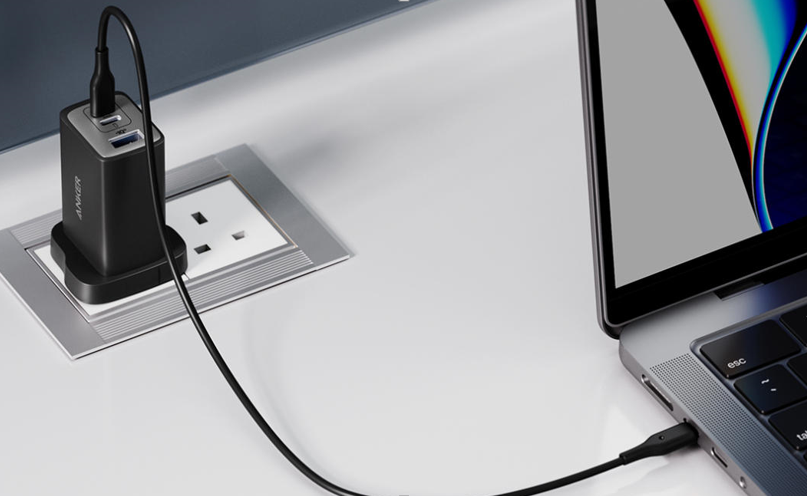
Fast-charging technology gives people a way to recover from low battery situations quickly instead of waiting through long charging sessions. When someone reaches a low level right before a meeting, trip, or appointment, a charger with strong output can bring the device back to usable levels in minutes. This instant recovery influences how people respond in uncertain situations. A fast charger like the Anker 735 can deliver up to 65W through a single USB-C port, which allows both phones and notebooks to regain power swiftly. People trust this speed during critical times because it makes “emergency charging” feel reliable and effective.
See also: The Importance of Cybersecurity for Growing Tech Businesses
Multi-Device Chargers Support Routines That Prevent Shutdowns
Many interruptions occur not because people ignore low battery levels, but because they juggle multiple devices at once. Phones, tablets, earbuds, and notebooks all compete for limited outlets throughout the day. A multi-port charger changes this dynamic by letting users charge everything together. When all devices receive steady power from one station, each stays ready for unexpected demands. For example, the Anker 735 Charger distributes power intelligently between ports, supporting phones, notebooks, and tablets at the same time. This structure encourages consistent charging habits that reduce the risk of sudden shutdowns, especially on busy days involving travel or coordination with groups.
Compact Chargers Make On-the-Go Power More Practical
People avoid critical battery failures when they carry chargers that feel natural to pack. Large chargers discourage mobility, leading users to leave them behind. Compact chargers encourage better habits because they fit cleanly into everyday bags or even small pockets. When someone can always access a reliable charger, they feel more confident using battery-heavy features like navigation or video calls. The compact build of the Anker 735 Charger makes it easy to bring along without planning, which supports spontaneous charging during important moments. This small detail helps prevent shutdowns when someone suddenly needs power the most.
Conclusion
When a phone dies during a crucial moment, the disruption touches communication, navigation, organization, and peace of mind. A dead phone can slow decisions, delay coordination, and intensify stress, especially when the user depends on digital tools to guide their next steps. Reliable charging habits become essential safeguards. Users who keep chargers in convenient locations, take advantage of fast charging, and support multiple devices at once experience fewer shutdowns and fewer interruptions. And as long as smartphones remain central to daily decision-making, tools like iphone chargers will continue to support the continuity and confidence people need when life becomes unpredictable.