What Are Spring Bolts Made Of?
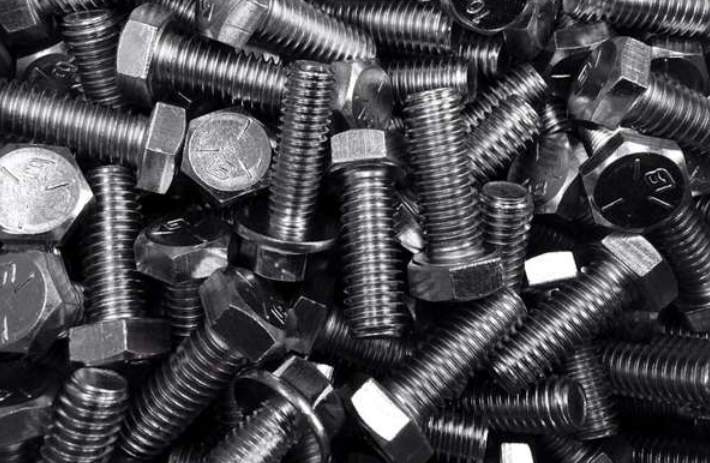
Spring bolts are essential fasteners used in truck and trailer suspension systems, helping secure leaf springs and maintain proper alignment under heavy loads. Because these components are exposed to constant stress, vibration, and harsh road conditions, the materials used to manufacture them play a crucial role in their reliability and performance.
Common Materials Used in Spring Bolts
High‑Tensile Steel
High‑tensile steel is the most commonly used material for spring bolts. Its superior strength makes it ideal for handling the heavy loads and dynamic forces that suspension systems endure. It offers an excellent balance of durability and resistance to deformation, ensuring consistent performance over time.
Alloy Steel
Some spring bolts are made from alloy steel, which includes additional elements such as chromium or molybdenum. These added elements improve wear resistance, boost strength, and enhance protection against corrosion. Alloy steel bolts are often used in demanding environments where added durability is required.
Stainless Steel
Although less common in truck and trailer applications due to lower tensile strength, stainless steel spring bolts are used when corrosion resistance is a priority. They may be found in marine environments, exposed trailers, or equipment subjected to chemical exposure.
Why Material Quality Matters
The quality of the material used in spring bolts directly affects their load‑bearing ability and long‑term performance. Poorly made or low‑grade bolts can lead to premature failure, misalignment, or increased strain on the suspension system. Heat treatment, hardness ratings, and manufacturing precision also influence reliability. For operators seeking dependable replacements, a range of quality spring bolts is available to suit different trailer and vehicle setups.
How to Identify High‑Quality Spring Bolts
Reliable spring bolts typically feature clear grade markings, consistent threading, and a strong finish that protects against corrosion. Certified manufacturers often provide documentation showing compliance with industry standards. When choosing bolts, look for reputable brands and avoid unmarked or generic options, as they may not meet the strength requirements needed for safe operation.
See also: The Importance of Cybersecurity for Growing Tech Businesses
When to Replace Spring Bolts
Spring bolts should be replaced when signs of corrosion, wear, elongation, or thread damage become visible. Unusual suspension noise, uneven tyre wear, or looseness around the spring mounts can also indicate bolt fatigue. When replacing bolts, always match the material grade and specifications to the original components to maintain the integrity of the suspension system.
In Summary
Spring bolts are small but vital components, and the materials used to manufacture them significantly influence safety and durability. High‑tensile or alloy steel bolts typically offer the best performance for heavy‑duty applications. Choosing quality materials and reputable suppliers ensures your suspension system remains secure, reliable, and capable of handling demanding conditions.