How Often Should I Replace My Brake Pads and Brake Fluid?
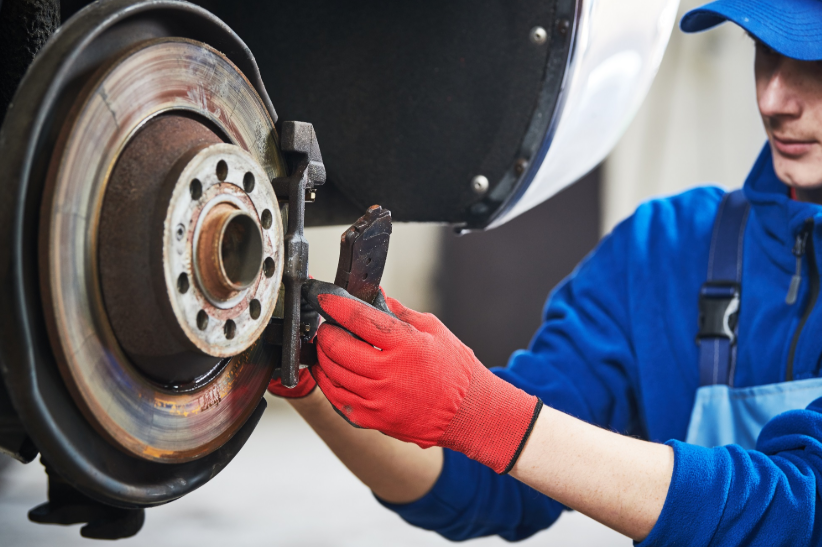
Your braking system is one of the most important safety components in your vehicle. Both brake pads and brake fluid wear over time, but each does so in different ways. Knowing when to replace them helps maintain stopping power, prevents costly repairs, and keeps you safe on the road.
What Brake Pads Do
Brake pads press against the brake rotors to create friction, slowing the vehicle down. They come in several materials, including ceramic, semi metallic, and organic compounds. Each type offers different levels of durability, noise reduction, and performance. Because they take the full force of every stop, brake pads naturally wear down with use.
How Often Brake Pads Should Be Replaced
Most brake pads last between 30,000 km and 70,000 km, but the exact lifespan varies based on how and where you drive. Some drivers may need new pads sooner, while others may get more life out of them, depending on vehicle weight, brake pad material, and overall driving style.
Factors That Affect Brake Pad Wear
City driving with frequent stops will wear pads faster than long highway trips. Heavy braking, towing, or carrying extra weight also increases wear. Even climate plays a role, as heat and moisture can accelerate deterioration. To keep brake performance consistent, regular check ups through a reliable car service Brisbane can help you stay on top of brake pad condition and avoid unexpected failures.
Signs Your Brake Pads Need Replacing
Squealing or grinding noises often indicate the pads are worn down. If stopping distances increase or the brake pedal vibrates, the pads may no longer be making proper contact with the rotors. Some cars also display a brake warning light when sensors detect low pad thickness. A visual inspection can confirm whether the pads have reached the minimum safe level.
What Brake Fluid Does
Brake fluid transfers pressure from your brake pedal to the braking components at each wheel. It must maintain a high boiling point to avoid fading during heavy braking. Over time, brake fluid absorbs moisture from the air, which lowers its effectiveness and reduces braking performance. This natural moisture build up is why brake fluid needs regular replacement.
See also: The Importance of Cybersecurity for Growing Tech Businesses
How Often Brake Fluid Should Be Replaced
Most manufacturers recommend replacing brake fluid every two years. In hot or humid climates like Brisbane, moisture absorption can occur more quickly. Stop start driving, towing, and steep inclines also place extra heat into the braking system, reducing fluid lifespan.
Signs Brake Fluid Needs Changing
A soft or spongy brake pedal is one of the first signs your fluid is compromised. Longer stopping distances or a brake warning light may also appear. Dark, cloudy, or contaminated fluid indicates it’s time for a replacement.
Why Regular Brake Maintenance Matters
Replacing pads and fluid on time improves braking performance and keeps you safer during emergency stops. It also prevents damage to rotors, callipers, and ABS components. Proper maintenance helps avoid brake fade, which can occur when the system overheats or fluid loses pressure.
How a Mechanic Checks Brake Pads and Fluid
During routine inspections, a mechanic measures brake pad thickness, checks the condition of the rotors, and assesses how each wheel responds during braking. Brake fluid is tested for moisture content, and the ABS and hydraulic systems are inspected for leaks or pressure issues. These checks give a clear picture of the system’s overall health.
When to Replace Pads and Fluid Together
In some cases, especially when pads are heavily worn or the brake system has been overheated, it makes sense to replace both pads and fluid at the same time. This ensures balanced braking, reduces future maintenance, and keeps the system functioning as designed.
Parting Advice
Brake pads typically need replacing every 30,000 km to 70,000 km, while brake fluid should be changed every two years. Paying attention to warning signs and scheduling regular inspections ensures your brakes stay reliable and responsive. A well maintained braking system gives you confidence behind the wheel and helps prevent costly repairs down the road.