How Do Phone Chargers Support Modern Mobile Lifestyles?

The way people move through each day shows how deeply phones shape communication, planning, creativity, and work. Because of this, cell phone chargers play a much larger role than simply refilling a battery. They support mobility, reduce friction in busy routines, and make it possible to switch between devices without slowing down. As users shift between messages, maps, notebooks, and entertainment, a reliable charging setup quietly keeps everything running. Even a compact, multi-port option can influence how freely someone manages their day. This is why newer designs, especially fast-charging models powered by advanced technology, stand out: they help people stay connected while carrying less.
The Real Work Phone Chargers Do Behind the Scenes
Power That Keeps Up With Constant Switching
People rely on their phones across dozens of small tasks—messaging during a commute, checking schedules between meetings, or topping up a tablet before a video call. These routines all depend on consistent power. A good charger reduces the pause between tasks and lets users shift to another device without waiting around. When chargers deliver stronger output through a single port, they help essential devices return to useful levels quickly. Some users choose solutions like the Anker 735 Charger (Nano II 65W) because it provides a full-speed boost for phones, tablets, and even USB-C notebooks from one device. The benefit feels simple: the charger keeps up with the person, not the other way around.
Multi-Device Habits Call for Smarter Ports
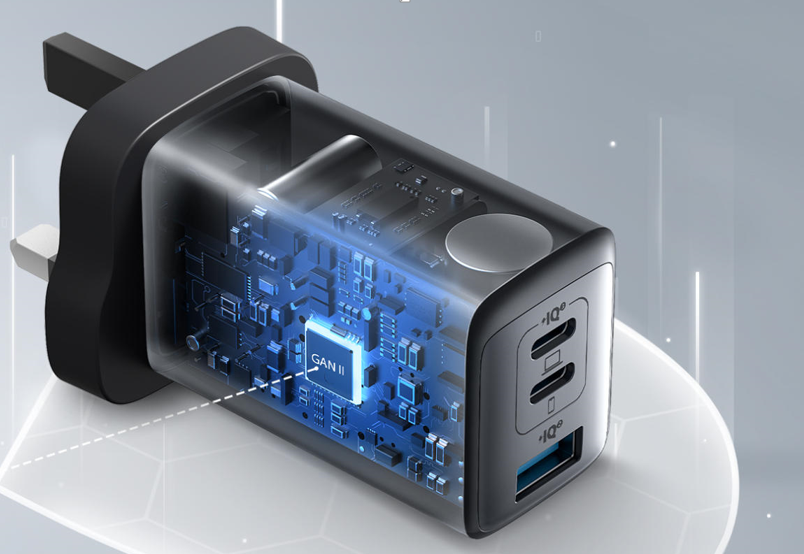
Modern routines rarely involve only one device. People carry a phone, a tablet, earbuds, a work notebook, and sometimes a backup battery. When all of these need attention, port design matters. Chargers with multiple outputs allow users to support more than one device at the same time, cutting down on clutter and making the charging process more predictable. With the Anker 735 Charger, users can connect three devices at once, and the charger distributes power efficiently. The top USB-C port delivers a stronger charge while the other two ports supply steady output for smaller devices. This structure helps people maintain momentum as they move between tasks.
Mobility Demands Compact Tools
The less bulk a person carries, the easier it becomes to travel, navigate tight workspaces, or switch locations throughout the day. Compact chargers influence this experience more than people expect. They drop easily into a small bag, sit cleanly on a desk, and reduce the number of separate bricks someone needs. The Anker 735 Charger is roughly the size of an AirPods Pro case, which makes it easy to store and harder to forget at home. Mobility is not only about carrying light items; it’s about using tools that do not interrupt the flow of movement. A compact charger quietly supports that rhythm.
How Advanced Charging Technology Supports Everyday Efficiency
Faster, Cleaner Power Delivery
Fast-charging solutions help people step back into their routines without delay. When a single device can receive up to a 65W charge, it shortens downtime and makes multitasking easier. Users can quickly revive a notebook, top up a tablet before a meeting, or bring a phone back to a strong battery level before heading out again. High-speed charging also supports creative or work-heavy workflows where devices cannot sit idle for long. The Anker 735 Charger offers high-speed charging for notebooks such as MacBook Air 2020 or MacBook Pro 13”, giving users a convenient way to keep essential tools running.
GaN II Technology Makes Power More Practical
People often choose advanced chargers not just for speed but for smarter engineering. GaN II technology improves operating efficiency and reduces size without sacrificing performance. By replacing traditional silicon components with gallium nitride, chargers stay compact and run with improved thermal and electrical control. Anker integrates GaN II technology into the 735 Charger through a redesigned circuit board and stacked internal structure. This helps the charger deliver strong power from a small footprint and maintain reliability through long-term use. For anyone who wants one device that supports multiple tools, this type of engineering matters.
See also: The Importance of Cybersecurity for Growing Tech Businesses
Charging Multiple Devices Without Sacrifice
Balancing several devices at once used to mean slower speeds or carrying multiple chargers. That model doesn’t fit modern lifestyles anymore. People expect a single charger to handle phones, notebooks, and smaller accessories without losing efficiency. With the 735 Charger, power allocation adjusts automatically based on how many devices are connected. The top USB-C port can output 40W even when all ports are in use, while the second USB-C port and USB-A port supply steady 12W output. This setup ensures that a notebook, tablet, and phone can stay powered simultaneously. For many users, this supports a cleaner, more organized home or workspace by reducing the number of chargers they keep.
Conclusion
Phone chargers support far more than the battery levels in mobile devices. They allow people to keep moving, stay organized, and handle personal and professional tasks with fewer interruptions. As users adopt multiple devices, rely on fast transitions, and expect tools that fit effortlessly into their routines, chargers with compact designs and intelligent power distribution become even more valuable. Modern technology such as GaN II further enhances reliability by delivering strong performance in smaller builds. Whether someone uses a standard model or a multi-port option like the Anker 735 Charger, the right charger supports a lifestyle built on flexibility, connectivity, and confidence.